
Image Skincare Lines: Which One We'd Actually Start With
We read the ingredient breakdowns and the reviews so you don't have to. Here is which IMAGE Skincare line we would start with for your skin, and which to skip.
Disclosure: This post contains affiliate links. If you buy through them, we may earn a commission at no extra cost to you. We have not personally tested these products unless stated.

Twelve lines. All in capital letters. None of the names tell you what they do: VITAL C, ORMEDIC, CLEAR CELL, ILUMA, AGELESS+, DAILY PREVENTION, the MAX, BIOME+, VOL.U.LIFT, IMAGE MD, I MASK, YANA.
This guide is the result of a lot of reading. We went through the brand’s own product and collection pages, a full ingredient breakdown from an independent analysis site, and more than a thousand shared experiences from people who have put these products on their own skin — what worked, what stung, what they would buy again. Then we looked for the patterns. Here is where we would start, and the one line we think most people are wrong to start with.
The short version
- Reactive, red or fragrance-sensitive skin → start with ORMEDIC, not Vital C. See why below.
- New to retinol → start at 0.1%, not the 1.2%. The brand agrees with us on this one.
- Acne and clogged pores → CLEAR CELL, and check which products actually carry the acid.
- Dark spots and uneven tone → ILUMA, but only if you will wear sunscreen daily.
- You just want a cleanser and a moisturiser → this is not the brand for you, and that is fine.
Shop IMAGE Skincare by concern →
First, what kind of brand this is
IMAGE Skincare describes itself as a spa and salon brand, founded by a husband-and-wife team — an esthetician and a plastic surgeon. Its main navigation puts Skin Services next to Shop. That is a reliable tell: this range is built to be sold alongside a treatment and explained by someone standing in front of you.
Which is exactly why twelve line names exist instead of twelve hero products, and exactly why it is confusing to buy online with nobody to ask. If the whole professional-channel category is new to you, our explainer on medical-grade skincare covers what the label does and does not guarantee.
The famous line is not the one we’d start with
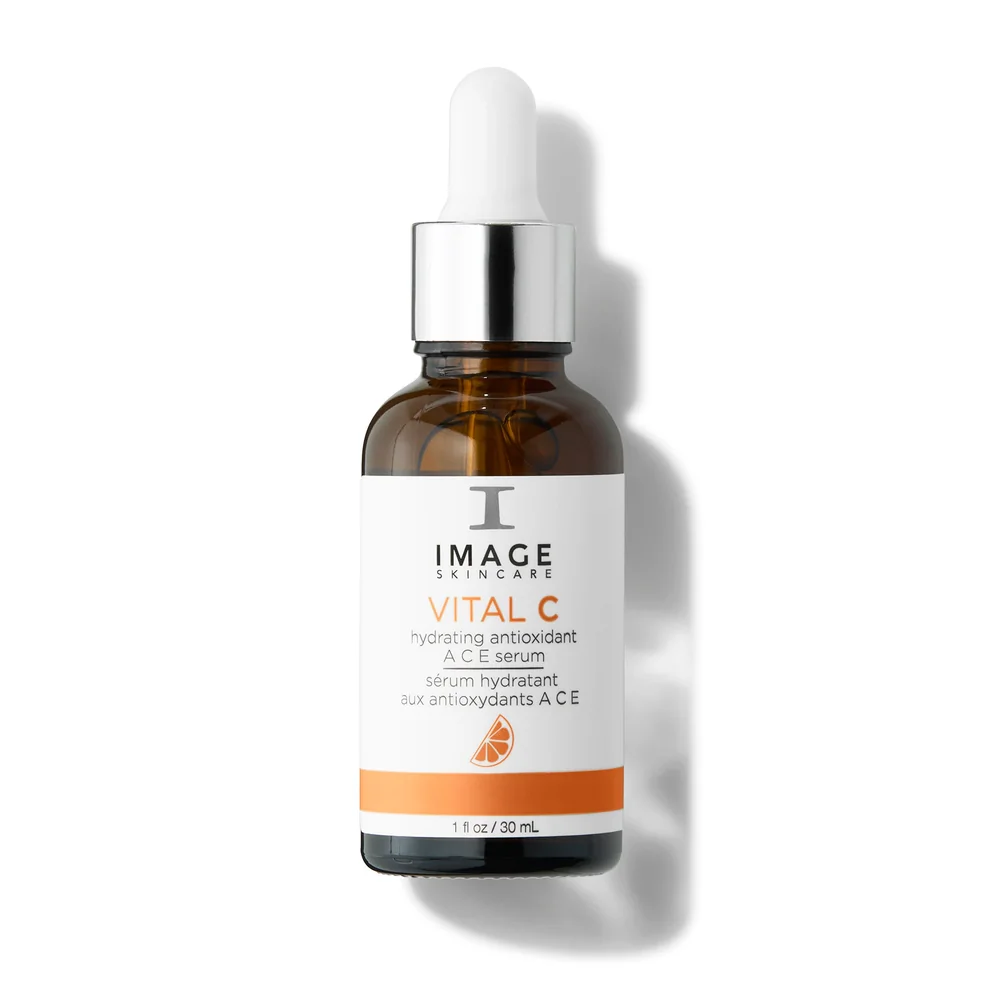
VITAL C is the brand’s signature — the vitamin C range, described by IMAGE as “vitamin C skincare that hydrates, brightens, and soothes sensitive skin while targeting redness, uneven tone, fine lines, and premature aging.” The hydrating anti-aging serum carries a 4.65 average from 973 reviews on the brand’s own site, and 4.7 from 74 reviews at retailer LovelySkin.
So far so good. Now the part the star rating hides.
The independent ingredient-analysis site What’s In My Jar rates this formula’s overall irritancy as high. Its breakdown lists Citrus aurantium dulcis peel oil at an estimated 4–4.9% plus limonene — that pleasant orange scent reviewers keep mentioning is a fragrance component, and fragrance components are the single most common cause of reactive-skin trouble. The same analysis notes the vitamin C is split across four derivatives, each at a low individual percentage, rather than one well-dosed active.
The reviews match, and they are worth reading carefully rather than by star count. On that LovelySkin page nobody left a one-star review and only one person left two stars — yet the irritation reports are sitting in the three- and four-star reviews, from people who otherwise liked the product: one describes breaking out in hives everywhere it was applied, another writes “this is a great product and it smell amazing. But, I think it was too strong for my skin.” Alongside them sit the reasons the average is high — “a very small amount is needed”, “nice light-weight texture”, a “delicate orange fragrance” that is “not at all annoying”.
That pattern is the useful signal. A high average does not mean nobody reacted; it means the people who reacted still rated it generously.
Our read: if your skin is calm and tolerant, VITAL C is a pleasant, well-liked vitamin C serum and the reviews back that up. If your skin flares at fragrance — and if you are reading this because your skin is red and unhappy, it probably does — then starting with the most famous line in the range is the wrong move, however good its rating looks. ORMEDIC is the one to try instead: IMAGE describes it as “natural skincare products that calm, hydrate, and support sensitive skin — free from parabens, phthalates, and synthetic fragrances.” If you are rebuilding a damaged barrier, pair it with our sensitive skin barrier repair routine before you add any active at all.
Retinol: start at 0.1%, not 1.2%
AGELESS+ is the retinol line. Unusually, its collection page carries no description of its own, so here is what the page actually lists: retinol runs through the range at strengths from 0.1% up to 1.2%, and the page’s own filters point at fine lines, dry skin and loss of firmness.
That spread matters more than the line name. A 0.1% and a 1.2% retinol sit in the same collection under the same branding, and they are not interchangeable products — one is an introduction, the other is for skin that has already spent a year or two building tolerance.
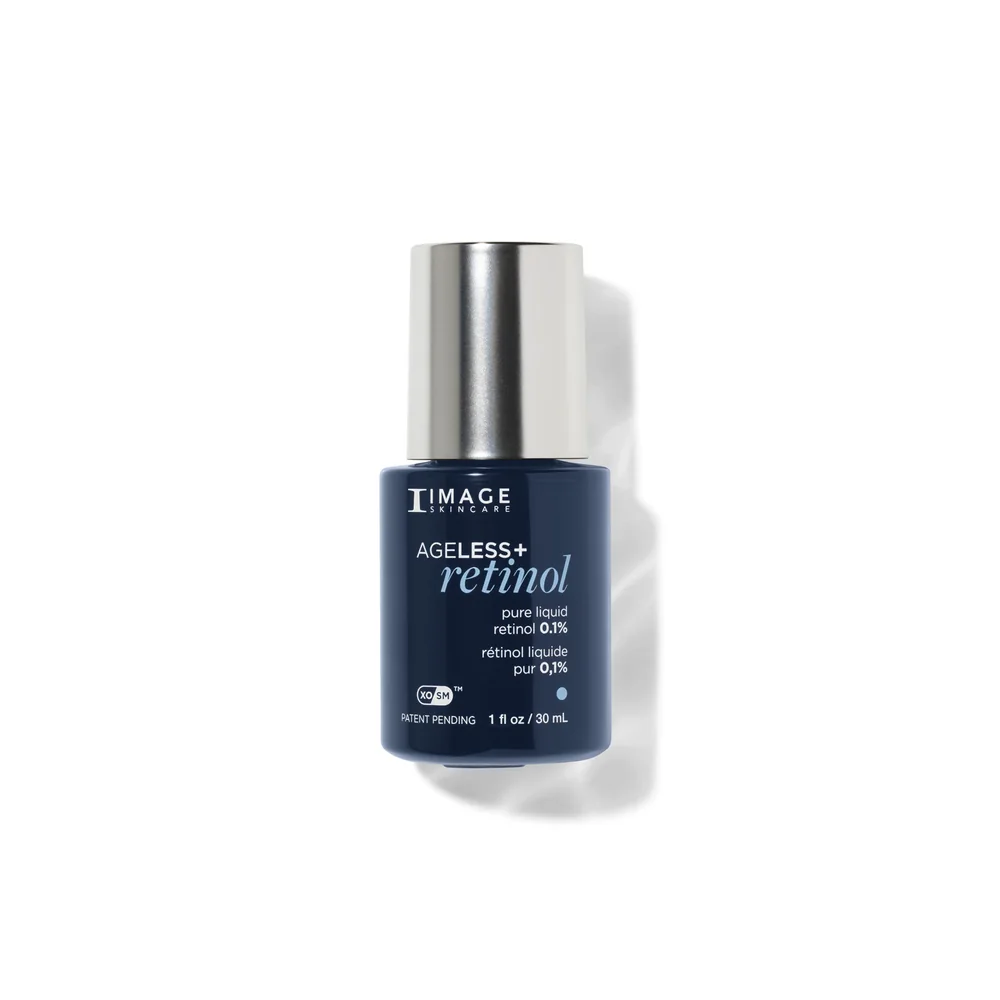
The brand does not disagree. It positions the 0.1% for “anyone newly incorporating retinol into regimens or with concerns about the potential flaking and irritation side effects of retinol. Sensitive and/or dry skin types.” It sits at 4.7 from 61 reviews. Start there, use it two nights a week, and move up only when nothing happens.
Acne: check which products carry the acid
CLEAR CELL is the acne line — “skincare for acne that targets blemishes and clogged pores with exfoliating, soothing formulas designed to clear and calm acne-prone skin.”
One useful detail we found by reading the product names rather than the line description: of the nine products on that collection page, three name salicylic acid in the product name itself — the gel cleanser, the masque and the clarifying pads. The clarifying acne spot treatment does not. Buying the whole line will not get you more exfoliating acid than buying those three, so if budget or barrier tolerance means picking two products, pick from that group deliberately rather than assuming every jar with CLEAR CELL on it does the same job.
Dark spots: only with sunscreen
ILUMA is the brightening line — “skin brightening products that target dark spots, skin discoloration, and uneven skin tone to reveal a more radiant, even-looking complexion.”
Pigmentation is the slowest concern in this whole article to shift and the easiest to undo, because daily UV exposure works directly against whatever you apply. Anything from this line is a poor investment without a daily SPF next to it, which is what DAILY PREVENTION is: the collection lists moisturisers, a mist, a tinted sun serum, a clear gel and a lip balm at SPF 30, 40, 50 and 75, with five of the listed products combining sun protection and moisturiser in one step. If pigmentation is your main concern, read how to fade dark spots first — the method matters more than the brand.
Who should skip this brand
If you want a two-product routine and no decisions, twelve lines is a lot of surface area to walk past, and there is no shame in buying a good cleanser and a good moisturiser somewhere simpler. If you are still working out what your main concern even is, start with our face care guides rather than with any brand.
And one limit worth naming on everything above: brand pages tell you what a product is meant to do, and review pages tell you what happened to other people’s skin — which is a great deal closer to the truth, but still not your skin. Patch test, add one active at a time, and give each one six weeks before you judge it.